Stage 1 vs. Stage 2 Tuning: What’s the Difference?
If you've started researching performance tuning, you've probably seen the terms Stage 1 and Stage 2 everywhere.
At first, they sound straightforward.
Stage 1 comes first. Stage 2 is more aggressive.
But tuning stages aren't a universal standard, and what qualifies as Stage 1 or Stage 2 can vary depending on the vehicle, tuning platform and supporting hardware.
Here's what you should understand before deciding which direction to take your build.
What Is Performance Tuning?
Modern vehicles rely heavily on software to control how the engine operates.
Engine control software can influence things such as:
- Boost pressure
- Throttle behaviour
- Fuel delivery
- Ignition timing
- Torque management
- Other engine parameters
Performance tuning changes supported calibration parameters to alter how the vehicle performs.
The exact changes depend on the vehicle and tuning solution being used.
What Is Stage 1 Tuning?
Stage 1 is generally considered the entry point into performance tuning.
For many supported vehicles, a Stage 1 tune is designed to work with a mostly stock vehicle or one with relatively minor modifications.
It can be appealing to drivers who want more from their car without immediately changing a large number of mechanical components.
Depending on the application, drivers may experience changes in:
- Power delivery
- Throttle response
- Torque
- Overall responsiveness
But the exact gains vary from vehicle to vehicle.
There is no single horsepower figure that applies to every Stage 1 tune.
What Is Stage 2 Tuning?
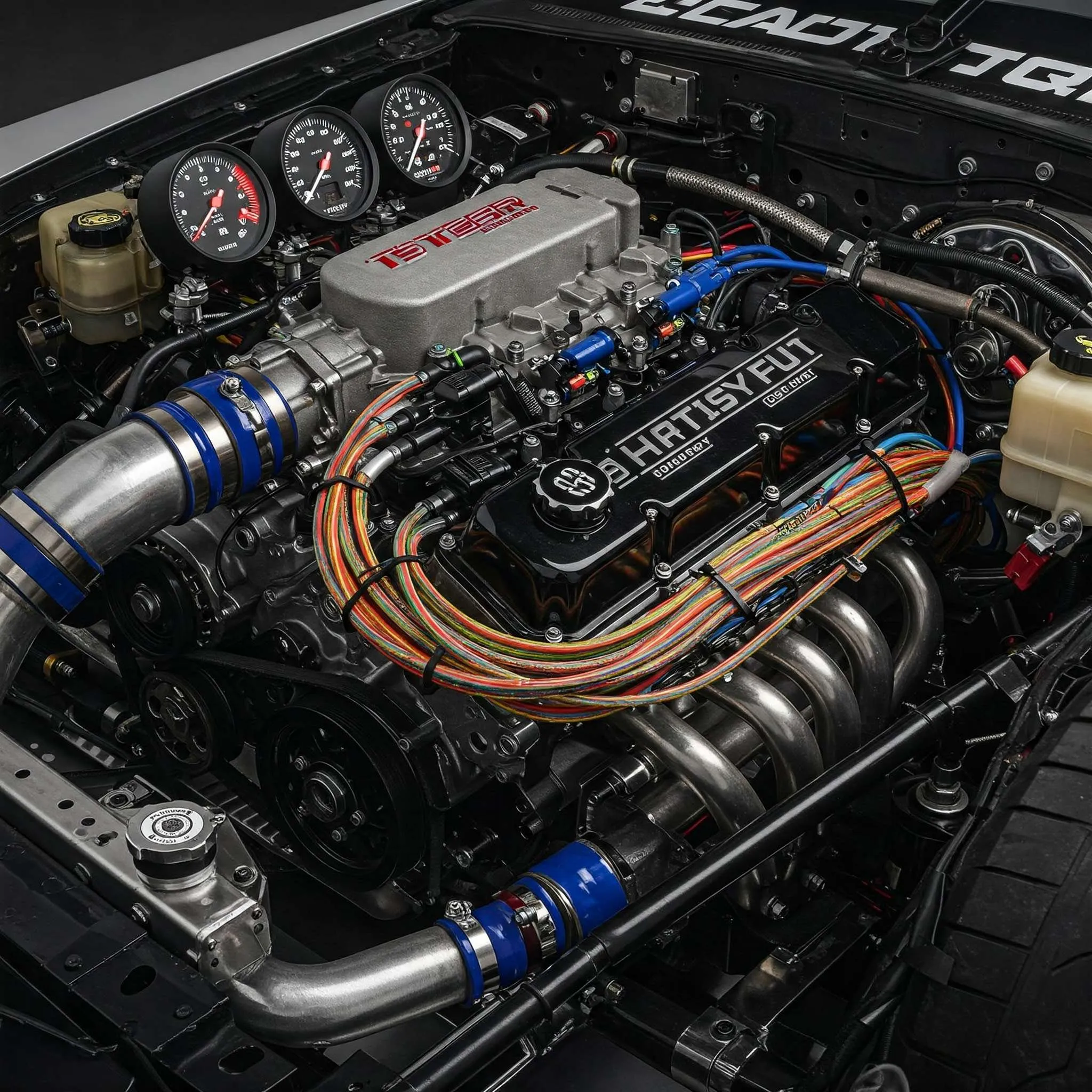
Stage 2 typically assumes the vehicle has supporting performance modifications beyond factory hardware.
What those modifications are depends entirely on the platform.
They may include components such as:
- Downpipes
- Intake systems
- Intercoolers
- Exhaust components
- Other supporting hardware
Because the tuning strategy may assume that specific hardware is installed, you should never assume that a vehicle is ready for a Stage 2 calibration simply because it already has one or two modifications.
Stage 1 vs. Stage 2
A simple way of looking at the difference is:
Stage 1
Generally intended for stock or lightly modified vehicles.
Stage 2
Generally intended for vehicles with specific supporting performance hardware.
But these definitions are only guidelines.
Always look at the requirements for the exact vehicle and tuning platform.
Is Stage 2 Always Better?
Not necessarily.
More modification doesn't automatically mean a better vehicle.
The right setup depends on what you want from the car.
For a daily-driven vehicle, a Stage 1 setup may provide exactly the balance you're looking for.
Another driver may be building the vehicle further and want to move toward additional supporting modifications and a more involved calibration.
Your goals matter more than the stage number.
What Should You Do Before Tuning?
Before modifying your vehicle's software, understand what you're working with.
You should know:
Your exact vehicle
Year, make, model, engine and trim can all matter.
Existing modifications
The tuner needs an accurate picture of what has already been changed.
Vehicle condition
Performance tuning should not be treated as a way to hide existing mechanical problems.
Fuel requirements
Different calibrations may have specific fuel requirements.
Your goals
Are you looking for a stronger daily driver?
A more responsive street car?
A vehicle you're planning to continue modifying?
Those goals can influence the best path forward.
What About Exhaust Modifications?
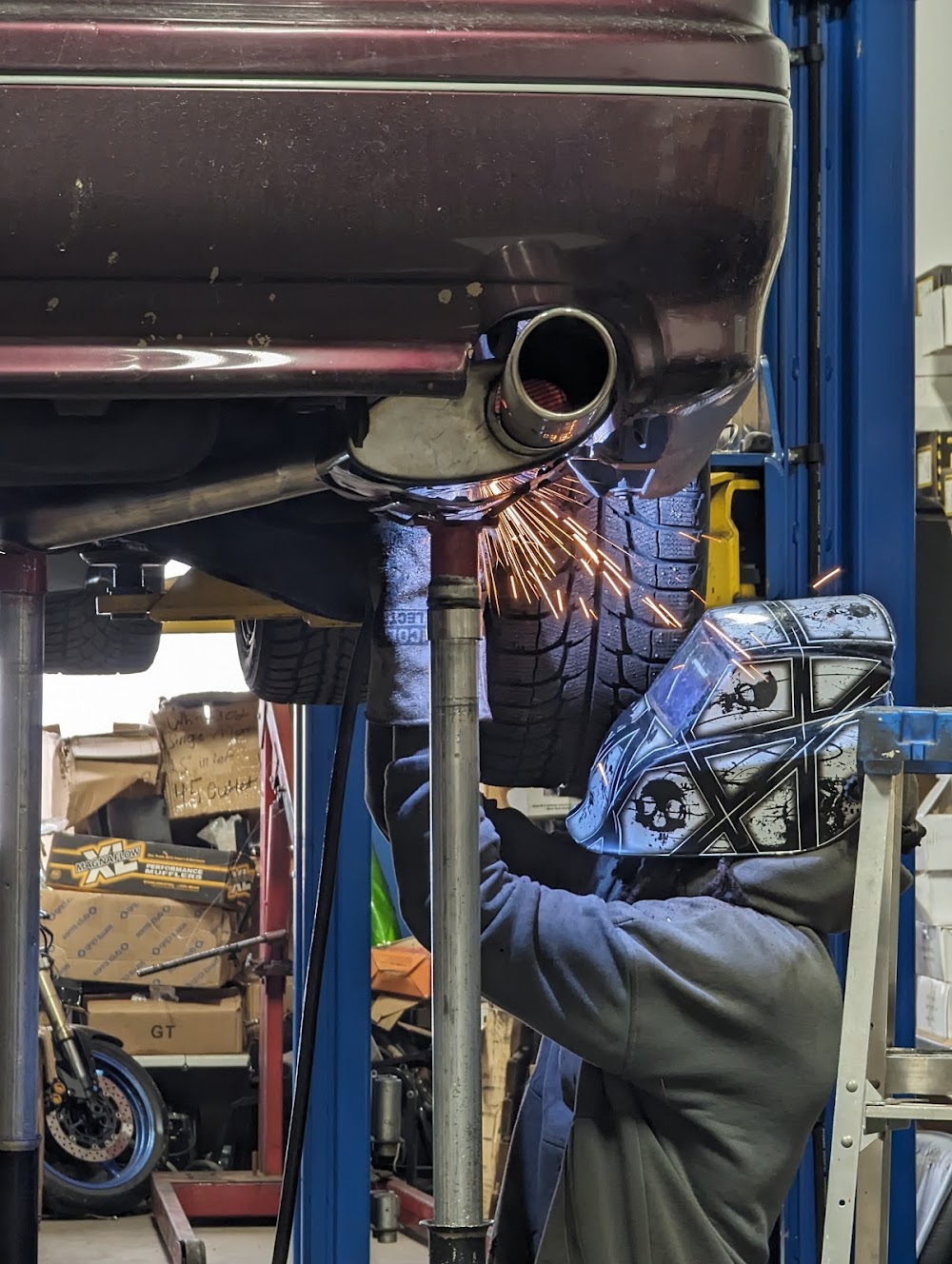
Exhaust and tuning often become part of the same build.
For certain vehicles and tuning stages, specific exhaust components may be relevant to the overall setup.
That doesn't mean every aftermarket exhaust requires a tune, or that every tuned vehicle requires a completely different exhaust.
The entire vehicle should be considered together.
Don't Tune Based on the Stage Number Alone
“Stage 1” and “Stage 2” are useful shortcuts, but they don't tell the whole story.
A better question is:
What setup is appropriate for my specific car and what I want from it?
That is the conversation worth having before making changes.
Ready to Talk About Your Build?
Pipes Performance offers performance tuning and supporting automotive upgrades for compatible vehicles.
Send us your year, make, model, engine, current modifications and performance goals so we can discuss available options.
DISCUSS YOUR BUILD